
|
|
|
Looking Ahead
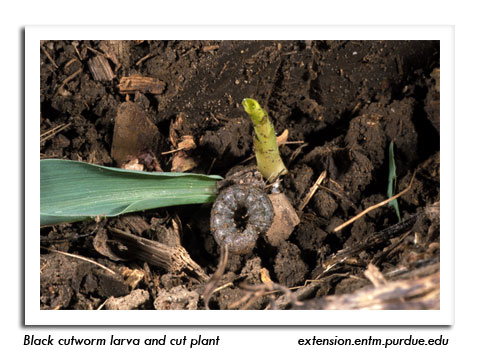
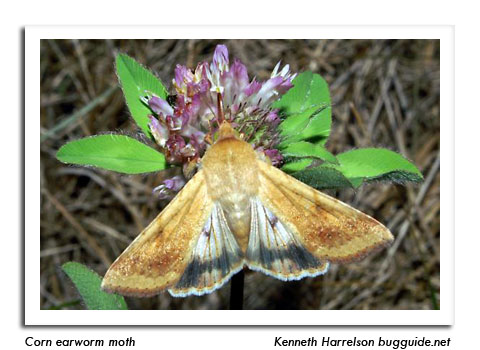
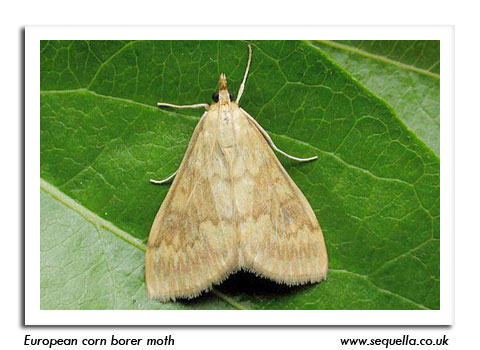
Volume 57 Number 5 Date 05/10/2012 CORN EARWORM - Last week's active weather pattern brought the first corn earworm migrants to southern Wisconsin. One specimen was registered at Janesville on the night of May 3 and 28 others appeared in the Prairie du Chien trap from May 4-9. This is the earliest recorded corn earworm arrival date in many years. POTATO LEAFHOPPER - Migrants are distributed in moderate numbers in the southern and central counties. The average in the past week was 0.5 per sweep in Dane, Green, La Crosse, Monroe and Rock counties, although counts ranged as high as 1.8 per sweep. Nymphs are already appearing in alfalfa in the south-central counties, signaling that second crop regrowth will need to be checked frequently as populations increase later this month. BLACK CUTWORM - Larval progeny of the earliest migrants are expected to reach the destructive late-instar cutting stages next week. The combination of a very large moth migration and extensive winter annual weed problems in many fields this spring means conditions are conducive to localized outbreaks. Scouting should begin several days before the predicted cutting date of May 15. EUROPEAN CORN BORER - The first moths of the spring flight were collected in the Coon Valley black light trap on May 1. Based on the European corn borer phenology model, the majority of moths should emerge by May 29 at advanced southern sites and about 1-2 weeks later in the central and northern areas. Egg deposition is expected to intensify in the week ahead. TRUE ARMYWORM - Moths have been flying on warmer evenings for several weeks and continue to appear in black light traps. Counts have ranged as high as 74-166 moths per trap per week since late April but no reports of larval infestations in small grains or corn have been received as of May 9. BROWN MARMORATED STINK BUG - A single stink bug specimen collected late last month in a Jefferson County garage has been identified by UW Entomologist Phil Pellitteri as the brown marmorated stink bug, Halyomorpha halys. This is the fifth reported case of the insect being found at a residence in Wisconsin. Established populations of the invasive stink bug are suspected in Brown, Dane, and now Jefferson County, but have not been confirmed thus far. To date, there is no authentic record of the insect in an agricultural setting in Wisconsin. --Krista Hamilton, DATCP Entomologist 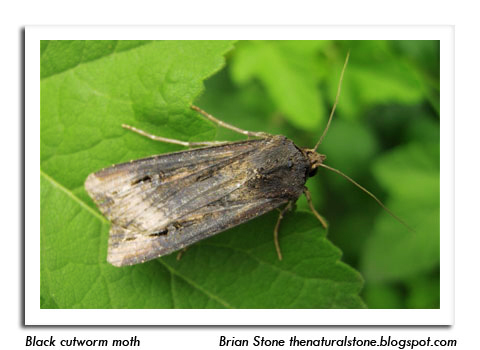


|

|