
|
|
|
Vegetables
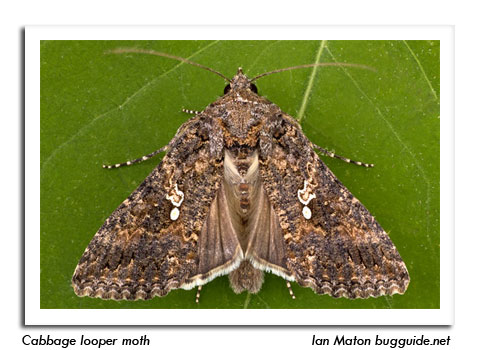
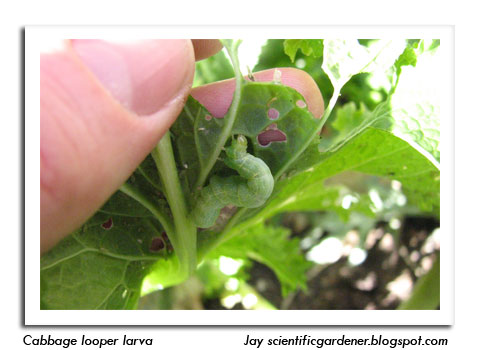
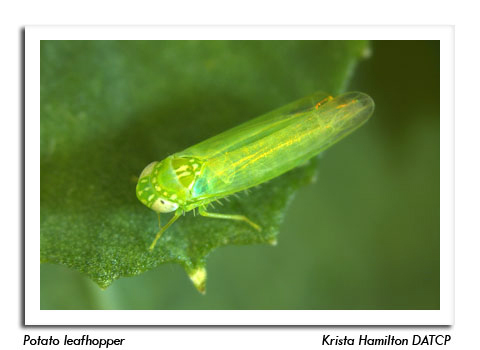
Volume 57 Number 5 Date 05/10/2012 LOOPERS - Migrant celery loopers and cabbage loopers have been collected in the last two weeks in Grant and Lafayette counties. Their early May arrival indicates that scouting regimens should be initiated well ahead of schedule this year. Cabbage loopers typically migrate northward in late June or July, so the captures on May 7-9 are unusually early for this pest. SPOTTED CUCUMBER BEETLE - This distinctive yellowish-green beetle with black spots is appearing in alfalfa in the southern half of the state. Similar to the cabbage looper, the spotted cucumber beetle does not overwinter in Wisconsin but migrates in from southern states each year, arriving around June. Both this species and the striped cucumber beetle are efficient vectors of bacterial wilt of cucumbers, muskmelons and watermelons. Early beetle control may be required in large commercial muskmelon or cucumber operations this month. The first symptom of bacterial wilt on cucumber and melon is a distinct flagging of lateral and individual leaves. POTATO LEAFHOPPER - Migrants were detected in the state three weeks ago and reproduction of nymphs is already occurring in the first alfalfa crop. Harvesting of fields in the week ahead may force adults into snap beans, potatoes and other hosts. Growers of these vegetables should be alert to the possibility of a sudden increase in leafhopper populations, particularly as temperatures rise next week. Recommended treatment thresholds for snap beans are 0.5 per sweep for seedlings and 1.0 per sweep for plants in the third trifoliate to bud stages. Control in potatoes is warranted when 0.5-1 adults are swept consistently for 10-14 days or if nymphs are present. ONION MAGGOT - First generation flies are now active near Cumberland, Medford, and Wausau in northern Wisconsin. As mentioned in last week's issue, flies of this spring generation are often the most abundant and damaging, especially at sites where onions are grown in succession. Preventive soil insecticides should be considered if maggot damage to the previous year's crop exceeded 5-10%. --Clarissa Hammond, DATCP Pest Survey 

|

|