
|
|
|
Corn
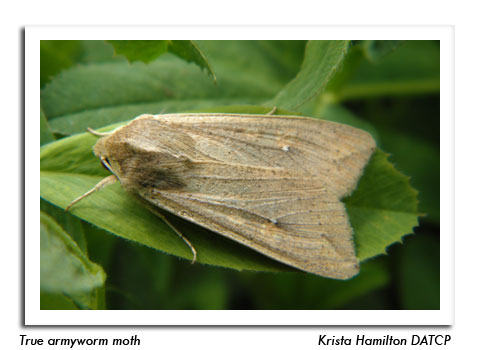
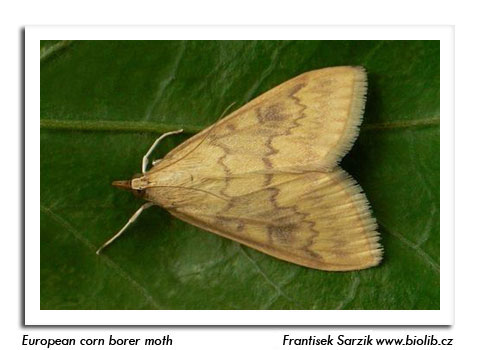
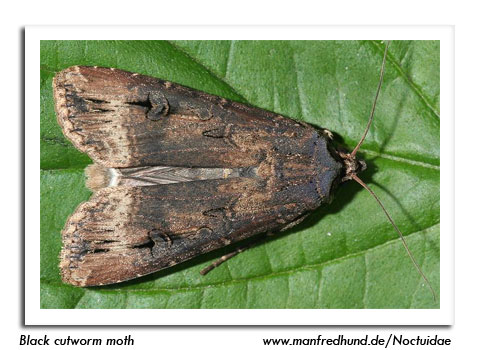
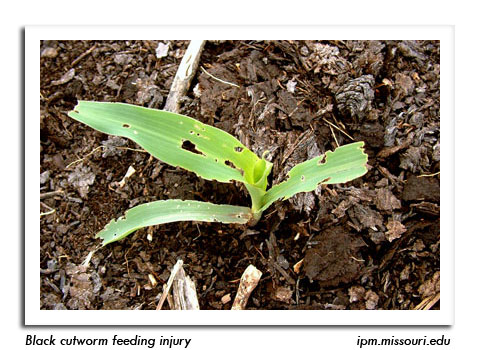
Volume 57 Number 5 Date 05/10/2012 TRUE ARMYWORM - Conditions remain favorable for localized infestations of this insect. Crop consultants and growers should continue to monitor corn and small grains throughout the month. Small larvae have been swept from alfalfa in the past two weeks, but no significant problems have been reported to date. EUROPEAN CORN BORER - The emergence of spring moths continued for the second week, but numbers in black light traps are still very low. Counts of 1-5 moths per trap were registered at Arlington, Coon Valley, East Troy and Prairie du Chien during the period of May 3-9. The phenology model for this pest suggests that egg deposition is beginning in areas of the state where 450 degree days (base 50°F) have accumulated, including Janesville, Lancaster and Madison. At current temperatures, the first flight could peak by May 29 in the southern counties, June 6 in the central counties and 1-2 weeks later in the northern counties. CORN EARWORM - Several early moths have been captured in the Janesville and Prairie du Chien pheromone traps. The first adult was registered on the night of May 3 and 30 others appeared from May 4-9. Moth flights also have been reported in southern source regions of Texas and Arkansas in the past 7-14 days. Although susceptible crops are not at a stage where damage could occur, more isolated moth flights may follow this month and in June. BLACK CUTWORM - Larvae from the April-May migration are expected to reach the damaging late-instar stages next week and could be encountered in emerging corn fields. Although previous weed infestation and reduced tillage are perhaps the most important factors influencing cutworm potential, farmers and crop advisors should be aware that problems can develop in conventionally-tilled and Bt fields as well. During periods of wet weather (such as most of Wisconsin has experienced lately), the larvae usually cut plants at the soil surface. Timely detection of cutworm infestations is critical for insecticide treatments to be effective and economical. Economic thresholds have been established for the following crops:
--Krista Hamilton, DATCP Entomologist 
|

|