
|
|
|
Looking Ahead
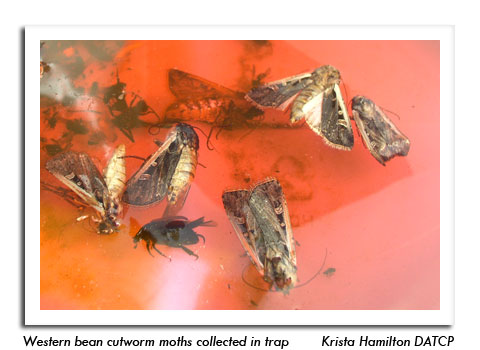
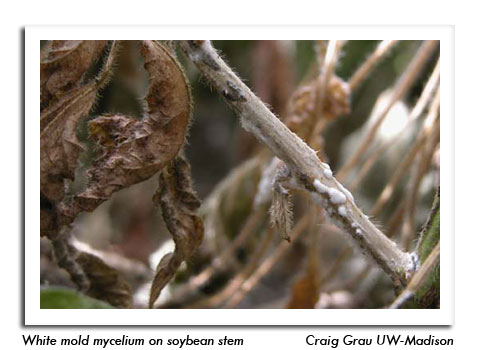
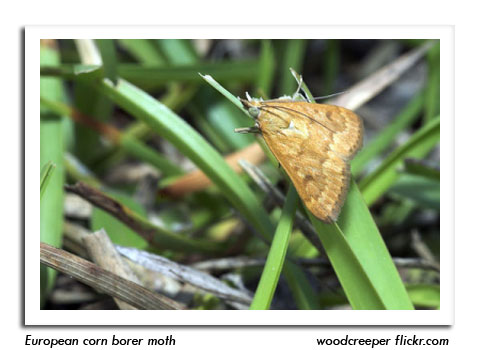
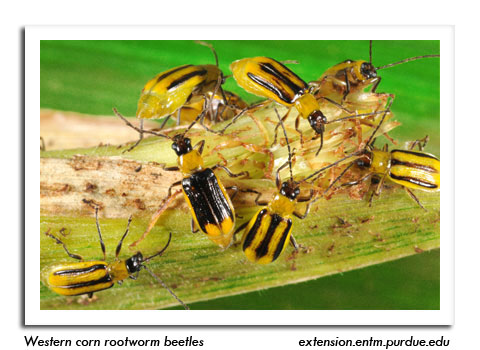
Volume 56 Number 12 Date 07/14/2011 SOYBEAN APHID - The first economic infestations of the year may develop in the week ahead. Surveys indicate that populations have increased to moderate levels in a very small percentage of fields. Some sites in Columbia and Sauk counties contained densities of 105-203 aphids per plant (on 50-100% of the plants), although the typical average is 12 per plant. Historically, the first economic populations of 250 or more aphids per plant have been detected by the third week of July. This insect requires continual observation from now until the late reproductive stages of soybean growth in August. WESTERN BEAN CUTWORM - The annual flight is gradually accelerating across south-central and central Wisconsin. Pheromone and black light traps registered activity at 6% of 169 sites in the past week, with a high count of 11 moths near Sparta in Monroe County. Moth emergence is now 10-25% complete in the southern half of the state. Egg deposition on corn and dry beans is underway at advanced locations. WHITE MOLD - This soybean fungal disease could become severe in fields where soil moisture is high and temperatures remain below 85°F. Early canopy closure, high relative humidity and surplus soil moisture all favor its development, especially when these conditions occur during the two weeks prior to peak flowering. Scouting at canopy closure for tan, mushroom-like apothecia on the soil surface is recommended. EUROPEAN CORN BORER - Pupation of the first generation has begun. Moths of the summer flight could begin appearing in back light trap collections by July 15. Most of the larval population is in the intermediate (second to fourth) instars. In the north-central and northwest areas, black light traps continue to register low to moderate numbers of spring moths. The optimal treatment window for first generation larvae, which extends from 800-1,100 degree days (base 50°F), has closed throughout much of the state, with the exception of the far southeastern and northern areas. CORN ROOTWORM - Beetles of the western species were noted in Dane, La Crosse and Monroe counties in the past week. Surveys yielded very low counts of 1 beetle per 50 plants in 4 of 29 corn fields checked. The first northern corn rootworm adults of the season were observed on July 12. Peak emergence of the adult population remains about 2-4 weeks away. If lodging occurs this month, corn growers should closely examine the roots to determine whether the cause was feeding by rootworm larvae, poorly developed root systems, or another factor. --Krista Hamilton, DATCP Entomologist 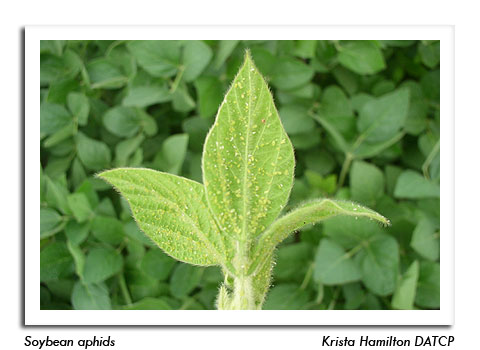

|

|