
|
|
|
Nursery & Forest
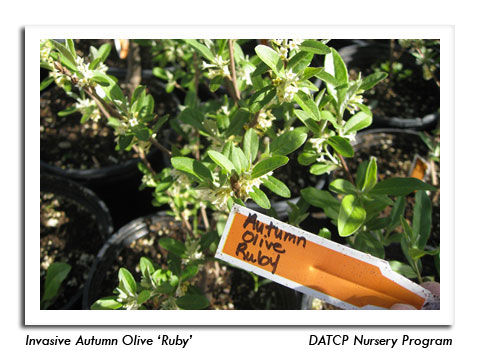
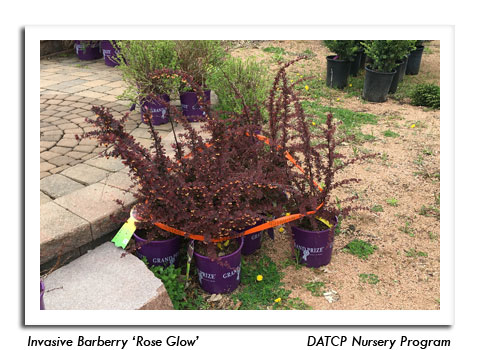
Volume 65 Number 2 Date 05/07/2020 RALSTONIA WILT IN GERANIUM - On April 19, officials with the USDA APHIS Plant Protection and Quarantine issued an Emergency Action Notification to a Michigan greenhouse after the pathogen Ralstonia solanacearum was confirmed in a Fantasia 'Pink Flare' geranium sample originating from a Guatemalan production facility. The notification immediately prohibited the sale or movement of all geraniums and other suspect plant material on the property, and resulted in a multistate trace-forward investigation to retrieve and destroy plant materials that had already been distributed, including over 2,450 plants destined for Wisconsin markets. Regulatory specialists from DATCP worked quickly with APHIS to assemble supply-chain information and inspect all Wisconsin greenhouses that received the geranium cuttings. Efforts by inspectors over the past 10 days have resulted in recovery and destruction of over 90% of the imported Fantasia 'Pink Flare' geraniums before they were sold, as well as other potentially infected plants. Ralstonia solanacearum is a usually-lethal bacterial pathogen that poses a serious agricultural threat to over 250 plants. The strain found in geranium (Race 3 biovar 2, or 'Rs R3bv2') is commonly referred to as 'Southern wilt,' and causes wilt diseases in several important crops including eggplant, pepper, potato and tomato. Greenhouses that received the Guatemalan geranium plants have been instructed to disinfect areas using APHIS-approved methods, and to monitor existing stock for wilting, yellowing, and other bacterial-wilt type symptoms. Vascular discoloration of the lower stem and root browning can occur in advanced stages. Growers and retailers with plants suspected of having Ralstonia wilt are asked to contact DATCP, their county UW-Extension agent, or the UW-Madison Plant Disease Diagnostics Clinic for assistance: https://pddc.wisc.edu/2020/05/01/ralstonia-wilt/. NR40 RESTRICTED INVASIVE PLANTS PHASE-OUT - The 5-year phase-out period for invasive trees and shrubs listed as 'Restricted' under Wisconsin's Ch. NR 40, Wis. Admin. Code or Invasive Species Rule in 2015, ended on May 1, 2020. The NR40 Rule makes it illegal to buy, sell, give away, or barter any species listed under this rule. This phase-out period was provided to allow Wisconsin nurseries who had newly NR40-listed trees and shrubs already in their inventory in 2015 to sell stock without penalty for a period of five years. After May 1, 2020, any plants on the NR40 phase-out list can no longer be bought into or sold out of a nursery's existing inventory. NR40 phase-out list plants that were not sold by May 1, 2020 must now be destroyed. DATCP is advising all nursery stock growers, retailers and consumers to review the complete list of invasive plants to ensure they are not buying or selling these plant species. (Note: several of the ornamentals do have exemptions for some of their cultivars, which allows for continued sale of those cultivars only.) To destroy remaining NR40 plants, double-bag both the plants and soil in garbage bags, tightly tie or seal the bags with zip-ties, label the bags "Invasive Plants," and landfill. Invasive species may also be burned, or buried beyond a minimum of 3 feet. DO NOT compost invasive material or put in cull piles. A summary of the Chapter NR40 Regulations for the Green Industry can be found on the Wisconsin DNR invasive species website. -- Tim Boyle, DATCP Nursery Inspector NEW UW PLANT DISEASE DIAGNOSTICS CLINIC LISTSERV - The UW-Madison Plant Disease Diagnostics Clinic (PDDC) provides expertise in diagnosing plant diseases, and information on plant diseases and their control to agricultural and horticultural producers and businesses, as well as home gardeners, throughout the state of Wisconsin. If you are interested in receiving regular updates on the educational materials and programs provided by the PDDC, please email Brian Hudelson at pddc@wisc.edu to have your email address added to the new clinic listserv, "UWPDDCLearn". This listserv will provide announcements of when new content is posted to the PDDC website ( https://pddc.wisc.edu/), including (but not limited to) new and revised University of Wisconsin Garden Facts/Farm Facts/Pest Alerts fact sheets, the Wisconsin Disease Almanac (a weekly summary of diagnoses made at the PDDC), monthly clinic web articles, and upcoming PDDC outreach programs. Similar updates and information are also offered via Facebook and Twitter @UWPDDC for anyone who prefers to receive information via these platforms. The PDDC is part of the Department of Plant Pathology in the College of Agricultural and Life Sciences at the University of Wisconsin-Madison, as well as the University of Wisconsin-Madison Division of Extension. -- Brian Hudelson, Plant Disease Diagnostic Clinic .jpg)
.jpg)
|

|